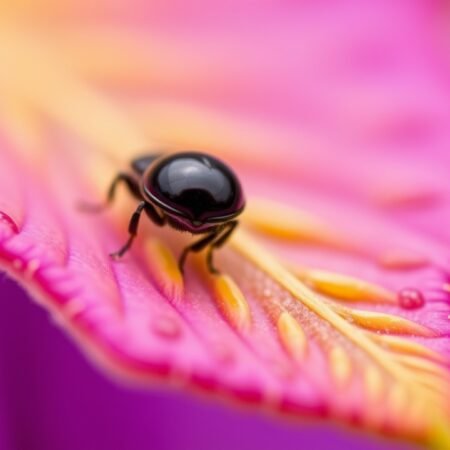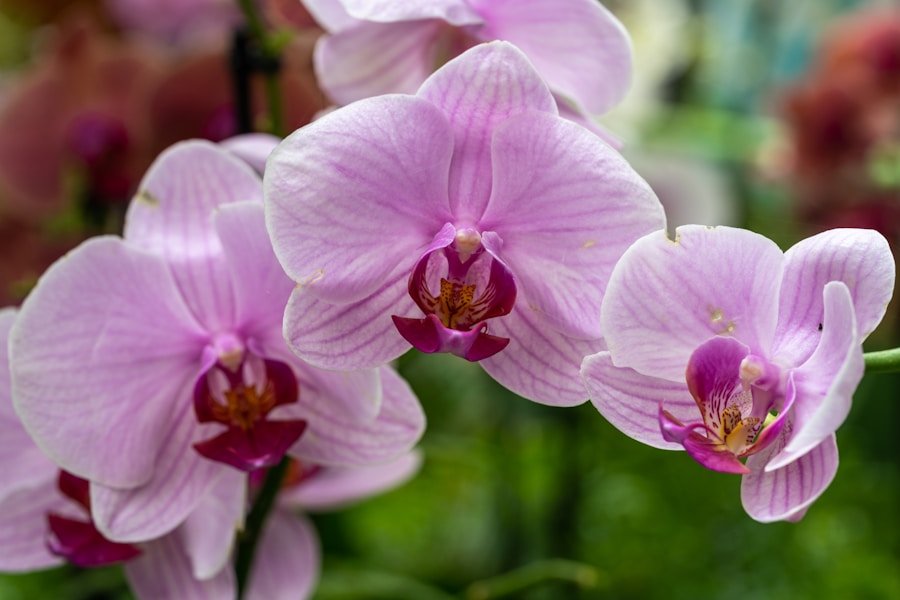

Macro photography is a specialized form of photography that focuses on capturing small subjects at a very close range, revealing intricate details that are often overlooked by the naked eye. It allows photographers to explore the beauty of tiny subjects such as insects, flowers, and other small objects, showcasing their textures, patterns, and colors in stunning detail. The key characteristic of macro photography is the ability to capture subjects at a 1:1 ratio or larger, meaning that the size of the subject in real life is reproduced at the same size or larger on the camera sensor.
To achieve this level of magnification, macro photographers use specific lenses or accessories that enable them to focus at extremely close distances. In the case of mobile phone photography, clip-on macro lenses or dedicated macro lens attachments can be used to achieve similar results.
Additionally, understanding the principles of depth of field and focus is crucial in macro photography, as the shallow depth of field at close distances can make precise focusing a challenge.
Key Takeaways
- Macro photography captures tiny details and magnifies them, revealing intricate patterns and textures.
- The right equipment for mobile phone macro photography includes clip-on lenses, macro lens attachments, and lens kits.
- Lighting is crucial for macro photography, and techniques such as using natural light, diffusers, and reflectors can enhance the details in your photos.
- Composition tips for macro photography include experimenting with angles, perspectives, and negative space to create visually appealing images.
- Approaching tiny subjects in macro photography requires patience, steady hands, and the use of tools like tripods and macro focusing rails.
Choosing the Right Equipment for Mobile Phone Macro Photography
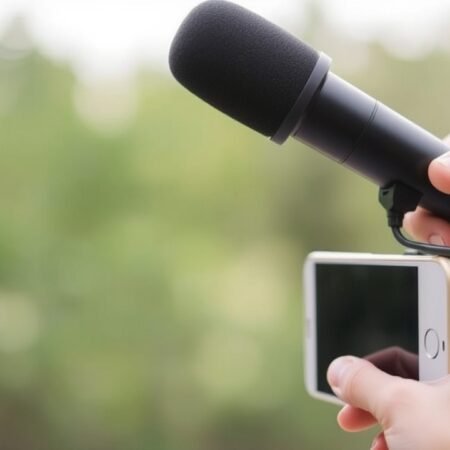
When it comes to mobile phone macro photography, choosing the right equipment is essential for capturing stunning close-up images. While most smartphones have built-in cameras capable of taking high-quality photos, investing in clip-on macro lenses or dedicated macro lens attachments can significantly enhance the capabilities of your mobile phone camera for macro photography. These accessories allow you to achieve higher magnification and sharper focus when capturing tiny details.
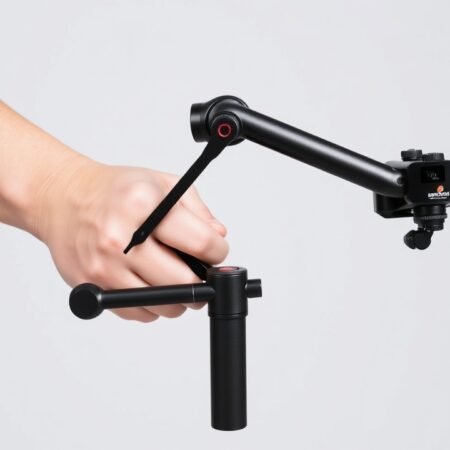
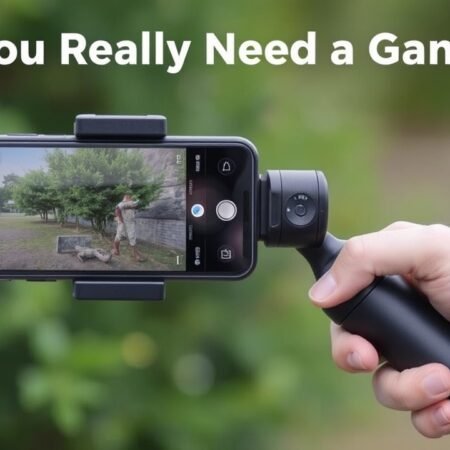
In addition to lens attachments, using a tripod or a stabilizing device can help minimize camera shake and ensure sharp images, especially when shooting at very close distances. Furthermore, utilizing external lighting sources such as LED ring lights or portable softboxes can improve the overall quality of your macro photos by providing consistent and controlled lighting.
Lighting Techniques for Capturing Tiny Details
Lighting plays a crucial role in macro photography, as it can dramatically impact the mood, texture, and overall quality of the images. When capturing tiny details with your mobile phone camera, it’s important to consider the direction, intensity, and color temperature of the light source. Natural light can be a great option for macro photography, especially during the golden hours of sunrise and sunset when the light is soft and warm.
In situations where natural light is not available or sufficient, using artificial lighting such as LED ring lights or portable softboxes can help illuminate your subjects effectively. These lighting sources can be positioned to create interesting highlights and shadows, adding depth and dimension to your macro photos. Additionally, diffusing the light with a translucent material or using reflectors can help soften harsh shadows and create a more flattering illumination for your tiny subjects.
For more tips and discussions on macro photography lighting, visit Nikon Gear.
Composition Tips for Macro Photography
Composition is a fundamental aspect of photography that greatly influences the visual impact of an image. In macro photography, paying attention to composition becomes even more critical due to the intimate nature of capturing tiny details. When framing your subjects with a mobile phone camera for macro photography, consider using techniques such as the rule of thirds, leading lines, and negative space to create visually compelling images.
Furthermore, experimenting with different angles and perspectives can offer unique viewpoints that highlight the intricate details of your subjects. Getting down to eye level with your tiny subjects or exploring unconventional vantage points can result in captivating compositions that draw viewers into the miniature world you’ve captured. Additionally, paying attention to background elements and using shallow depth of field to isolate your subjects can help create visually striking compositions in macro photography.
Getting Up Close and Personal: Approaching Tiny Subjects

Approaching tiny subjects in macro photography requires patience, precision, and a gentle touch to avoid disturbing or startling them. Whether you’re photographing insects, flowers, or small objects, it’s important to approach your subjects with care and respect for their natural environment. Slow and deliberate movements can help minimize disturbances and increase the likelihood of capturing authentic behaviors and details.
In some cases, using tools such as a macro focusing rail or a remote shutter release can aid in achieving precise focus without physically disturbing your subjects. Additionally, practicing ethical photography guidelines, such as avoiding unnecessary manipulation of the environment or subjects, is essential for maintaining the integrity of your macro photography work.
Mastering Focus and Depth of Field in Macro Photography
Achieving precise focus and managing depth of field are critical skills in macro photography, especially when working with tiny subjects at close distances. Due to the inherent shallow depth of field in macro photography, even slight movements can result in significant changes in focus and sharpness. When using a mobile phone camera for macro photography, tapping on the screen to select the focus point or utilizing manual focus modes can help ensure that the most important details are sharp and well-defined.
Furthermore, understanding how aperture settings impact depth of field is essential for controlling the amount of background blur and isolating your subjects effectively. Experimenting with different aperture settings and observing how they affect the overall look of your images can provide valuable insights into mastering focus and depth of field in macro photography.
Editing and Enhancing Macro Photos on Your Mobile Phone
After capturing macro photos with your mobile phone camera, post-processing and editing can further enhance the visual impact of your images. Utilizing photo editing apps or software with features such as cropping, adjusting exposure, contrast, and color balance can help fine-tune the details and overall look of your macro photos. Additionally, applying selective sharpening or clarity adjustments to specific areas of interest can accentuate the intricate textures and patterns captured in your images.
When editing macro photos on a mobile phone, it’s important to maintain a balance between enhancing the details and preserving the natural aesthetics of the subjects. Avoiding excessive manipulation that alters the authenticity of the tiny details is crucial for creating compelling macro photography that resonates with viewers.
Exploring Different Subjects for Macro Photography
Macro photography offers endless opportunities for exploring diverse subjects that are often overlooked in everyday life. From capturing the delicate veins of a leaf to revealing the intricate patterns on an insect’s wings, there is no shortage of fascinating subjects to explore through a mobile phone camera lens. Flowers, plants, insects, small animals, textures, and everyday objects all present unique opportunities for creating captivating macro images.
By immersing yourself in the world of macro photography, you can develop a deeper appreciation for the beauty and complexity found in the smallest corners of nature and everyday surroundings. Experimenting with different subjects allows you to hone your skills in capturing tiny details while discovering new perspectives and visual narratives within the miniature world.
Overcoming Challenges in Mobile Phone Macro Photography
While mobile phone cameras have advanced significantly in recent years, there are still challenges associated with capturing high-quality macro photos using these devices. Factors such as limited control over aperture settings, potential image noise in low-light conditions, and constraints in achieving extreme magnification can present challenges for mobile phone macro photographers. To overcome these challenges, it’s important to leverage the capabilities of your mobile phone camera through creative problem-solving and adaptation.
Exploring different lighting techniques, utilizing external accessories for enhanced magnification, and experimenting with post-processing techniques can help mitigate some of these challenges while maximizing the potential for capturing stunning macro photos with a mobile phone camera.
Tips for Creating Stunning Macro Photography with Your Mobile Phone
To create stunning macro photography with your mobile phone camera, consider implementing the following tips: 1. Experiment with different lighting sources and angles to enhance the texture and details of your subjects.
2. Use manual focus or tap-to-focus features to ensure precise focusing on the most important details.
3.
Explore unconventional compositions and perspectives to create visually compelling images.
4. Practice ethical photography guidelines when approaching tiny subjects in their natural environment.
5. Utilize editing tools to enhance the details and overall aesthetics of your macro photos while maintaining authenticity.
By incorporating these tips into your mobile phone macro photography workflow, you can elevate your images to new levels of visual impact and storytelling within the miniature world. In conclusion, mastering the art of macro photography with a mobile phone camera requires an understanding of technical principles, creative composition techniques, and a keen eye for capturing tiny details. By choosing the right equipment, mastering lighting techniques, approaching subjects with care, and honing focus and composition skills, you can unlock the potential for creating stunning macro images that showcase the beauty and intricacy found in the smallest corners of our world.
With dedication and practice, mobile phone photographers can capture captivating macro photos that invite viewers to appreciate the often unseen wonders that surround us every day.
FAQs
What is macro photography?
Macro photography is a specialized form of photography that involves capturing small subjects at a very close range, allowing for the depiction of tiny details that are not easily visible to the naked eye.
How does macro photography work?
Macro photography works by using specialized lenses or equipment to allow the camera to focus on subjects at a very close range, often at a 1:1 ratio or greater. This enables the photographer to capture intricate details and textures that are not easily visible in regular photography.
What equipment do I need for mobile phone macro photography?
To engage in mobile phone macro photography, you will need a macro lens attachment designed for your specific phone model. These lenses can be easily attached to your phone’s camera to enable close-up photography.
What are some lighting techniques for capturing tiny details in macro photography?
In macro photography, it is important to have a well-lit subject to capture the tiny details effectively. Techniques such as using natural light, diffused light, or adding artificial lighting can help to enhance the details of the subject.
What are some composition tips for macro photography?
When composing a macro photograph, it is important to pay attention to the background, use the rule of thirds, and consider the angle and perspective to create visually appealing and impactful images.
How can I approach tiny subjects for macro photography?
Approaching tiny subjects in macro photography requires patience and a steady hand. It is important to move slowly and carefully to avoid startling the subject, and to use techniques such as focus stacking to capture the entire subject in sharp detail.
How can I master focus and depth of field in macro photography?
Mastering focus and depth of field in macro photography involves understanding your camera’s settings, using manual focus, and experimenting with different apertures to control the depth of field and ensure the subject is sharply in focus.
How can I edit and enhance macro photos on my mobile phone?
There are various mobile apps available for editing and enhancing macro photos, allowing you to adjust the exposure, contrast, sharpness, and color balance to bring out the details and make the image more visually appealing.
What are some different subjects for macro photography?
Macro photography offers a wide range of subjects to explore, including flowers, insects, textures, water droplets, and everyday objects. The possibilities are endless, and it is a great way to discover the beauty in the small details of the world around us.
What are some challenges in mobile phone macro photography and how can they be overcome?
Challenges in mobile phone macro photography include achieving sharp focus, dealing with limited depth of field, and stabilizing the camera. These challenges can be overcome by using a tripod, adjusting the camera settings, and practicing patience and precision.
What are some tips for creating stunning macro photography with a mobile phone?
Some tips for creating stunning macro photography with a mobile phone include using a macro lens attachment, experimenting with different angles and perspectives, paying attention to lighting, and practicing patience and persistence to capture the perfect shot.

Other Articles