When it comes to enhancing audio quality for mobile recordings, external microphones are invaluable tools. There are several types of external mics available for smartphones, each designed to cater to specific recording needs. The most common types include lavalier (lav) mics, shotgun mics, and wireless mics.
Each type has its unique characteristics, making them suitable for different scenarios, whether it be interviews, vlogs, or field recordings. Lavalier mics are small, clip-on microphones that can be attached to clothing, allowing for hands-free operation. They are particularly popular in interview settings due to their discreet nature and ability to capture clear audio from the speaker.
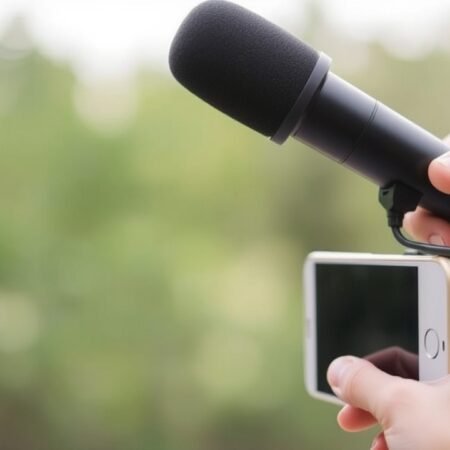
Shotgun mics, on the other hand, are directional microphones that excel at capturing sound from a specific source while minimizing background noise. This makes them ideal for video production and outdoor recordings where ambient sounds can interfere with the desired audio. Wireless mics offer the convenience of mobility, allowing users to record audio without being tethered to their devices, which is especially useful in dynamic environments.
Key Takeaways
- Lav mics are great for hands-free recording, but may pick up more background noise.
- Shotgun mics are ideal for capturing directional audio, but may be more sensitive to handling noise.
- Wireless mics offer freedom of movement, but may be prone to interference and require battery power.
- Consider factors such as mic sensitivity, frequency response, and connectivity when choosing an external mic.
- To get the best audio quality, use a windscreen, position the mic close to the sound source, and monitor levels while recording.
The Pros and Cons of Lav Mics for Phone Recording
Lavalier microphones are often favored for their compact size and ease of use. One of the primary advantages of lav mics is their ability to capture clear audio from the speaker while remaining unobtrusive. This makes them an excellent choice for interviews, presentations, and any situation where the speaker needs to move freely without worrying about holding a microphone.
Additionally, many lav mics come with windshields that help reduce wind noise during outdoor recordings, further enhancing audio quality. However, lav mics are not without their drawbacks. One significant limitation is their sensitivity to clothing noise; if the mic rubs against fabric, it can create unwanted sounds that detract from the recording quality.
Furthermore, lav mics typically require a power source, either through batteries or phantom power, which can complicate setup in some situations. Lastly, while they excel in capturing voice, they may not perform as well in environments with multiple sound sources or when trying to capture ambient sounds.
Exploring the Benefits of Shotgun Mics for Phone Audio
Shotgun microphones are designed with a highly directional pickup pattern, allowing them to focus on sound coming from a specific direction while rejecting noise from the sides and rear. This characteristic makes shotgun mics particularly effective for video production, where clarity of dialogue is paramount. When used with a smartphone, they can significantly improve audio quality by isolating the subject’s voice from background noise, making them ideal for interviews and narrative storytelling.
Another advantage of shotgun mics is their versatility.
They can be mounted on a boom pole or attached directly to a camera or smartphone, providing flexibility in positioning. This adaptability allows users to capture audio from various angles and distances without compromising sound quality. However, it is essential to note that shotgun mics can be sensitive to handling noise; thus, using a shock mount or boom pole can help mitigate this issue during recordings.
For more information on the best mobile microphones for recording with a phone, visit Engadget.
Wireless Mics: Are They the Best Option for Phone Recording?
Wireless microphones have gained popularity due to their convenience and flexibility. They allow users to move freely without being restricted by cables, making them an excellent choice for dynamic recording situations such as live events or interviews on the go. Many wireless systems come with built-in transmitters and receivers that can easily connect to smartphones, providing high-quality audio without the hassle of wires.
Despite their advantages, wireless mics also come with certain challenges. One concern is battery life; wireless systems rely on batteries that may need frequent replacement or recharging during extended recording sessions. Additionally, wireless signals can sometimes experience interference from other electronic devices or obstacles in the environment, potentially leading to audio dropouts or degradation in quality.
Therefore, while wireless mics offer unparalleled freedom of movement, users must weigh these factors against their specific recording needs.
Factors to Consider When Choosing an External Mic for Your Phone

Selecting the right external microphone for your phone involves considering several factors that align with your recording goals. First and foremost is the type of content you plan to create. For instance, if you are primarily conducting interviews or vlogging, a lav mic may be more suitable due to its discreet nature and ability to capture clear dialogue.
Conversely, if you are producing narrative videos or capturing sound in noisy environments, a shotgun mic might be the better choice. Another critical factor is compatibility with your smartphone model. Not all microphones work seamlessly with every device; therefore, it is essential to check for compatibility with your phone’s input options.
Additionally, consider the microphone’s build quality and durability if you plan to use it in various environments. Finally, budget constraints will also play a role in your decision-making process; there are excellent options available across different price ranges that can meet your audio needs without breaking the bank.
Tips for Getting the Best Audio Quality with Your Phone and External Mic
To achieve optimal audio quality when using an external microphone with your phone, several best practices can be employed. First, always test your setup before starting your recording session. This includes checking levels and ensuring that the microphone is positioned correctly for optimal sound capture.
For lav mics, ensure that they are securely clipped to clothing and away from any fabric that may cause noise interference. Additionally, consider your recording environment carefully. Choose locations that minimize background noise and echo; soft furnishings can help absorb sound reflections and improve clarity.
If using a shotgun mic outdoors, be mindful of wind conditions and use windshields to reduce wind noise. Lastly, monitor your audio levels throughout the recording process using headphones; this will allow you to catch any issues early on and make necessary adjustments.
Finding the Perfect External Mic for Your Phone: A Comprehensive Guide
In conclusion, finding the perfect external microphone for your phone requires careful consideration of your specific recording needs and preferences. Whether you opt for a lav mic for its portability and ease of use, a shotgun mic for its directional capabilities, or a wireless system for its flexibility, each type has its strengths and weaknesses that cater to different scenarios. By understanding these differences and evaluating factors such as compatibility and budget, you can make an informed decision that enhances your audio recording experience.
Ultimately, investing in a quality external microphone can significantly elevate your content’s production value. With the right equipment and techniques in place, you can achieve professional-sounding audio that complements your visuals and engages your audience effectively. As technology continues to evolve, staying informed about new developments in mobile audio recording will further empower creators to produce high-quality content directly from their smartphones.
FAQs
What are the different types of external mics for phone recording?
What are the pros and cons of lav mics for phone recording?
What are the benefits of shotgun mics for phone audio?
Are wireless mics the best option for phone recording?
What factors should be considered when choosing an external mic for your phone?
What are some tips for getting the best audio quality with your phone and external mic?
How can I find the perfect external mic for my phone?

Other Articles

Do You Really Need a Phone Gimbal? Exploring the Pros and Cons