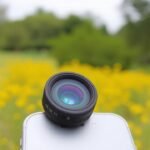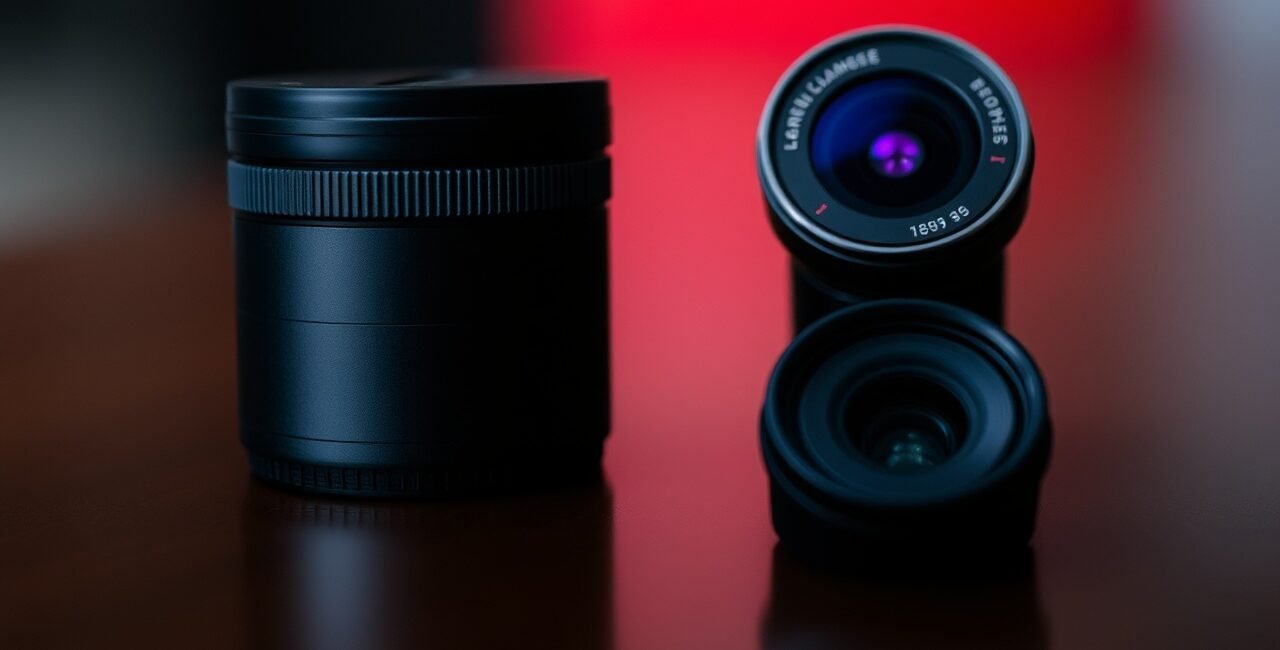

Phone camera lenses are an essential component of modern smartphones, allowing users to capture high-quality images and videos with ease.
Understanding the basics of phone camera lenses is crucial for maximizing their potential.
Most smartphones come equipped with a primary lens, which is typically a wide-angle lens that offers a standard field of view.
In addition to the primary lens, many smartphones also feature secondary lenses, such as telephoto, macro, and ultra-wide lenses, each serving a specific purpose in photography.
The primary lens is ideal for everyday photography, capturing scenes and subjects with a natural perspective. Telephoto lenses, on the other hand, enable users to zoom in on distant subjects without compromising image quality.
Macro lenses are designed for close-up photography, allowing users to capture intricate details of small subjects, such as flowers, insects, or textures. Ultra-wide lenses provide an expansive field of view, making them perfect for capturing sweeping landscapes or group shots in confined spaces.
Key Takeaways
- Understanding the basics of phone camera lenses is crucial for capturing stunning detail in your photos.
- When comparing different types of phone camera lenses, consider factors such as focal length, aperture, and compatibility with your phone.
- Tips for choosing the right phone camera lens include considering your photography needs, budget, and the quality of the lens.
- Mastering macro photography with phone camera lenses involves understanding focus, lighting, and composition techniques.
- Enhancing portraits with phone camera lens techniques can be achieved through techniques such as using portrait mode, adjusting the aperture, and utilizing natural light.
Comparing Different Types of Phone Camera Lenses
When comparing different types of phone camera lenses, it’s essential to consider their specific characteristics and applications. Telephoto lenses, for example, are ideal for capturing distant subjects with clarity and detail. They are commonly used for wildlife photography, sports events, or any situation where getting physically closer to the subject is not feasible.
On the other hand, macro lenses excel at capturing minute details with exceptional sharpness and clarity. They are perfect for photographing small objects, such as flowers, insects, or intricate textures. Ultra-wide lenses offer a broader perspective, allowing users to capture expansive landscapes or fit more into a single frame.
They are particularly useful for architectural photography, interior shots, and creative compositions that require a wider field of view. Understanding the unique characteristics of each lens type empowers photographers to choose the most suitable option for their specific needs and creative vision.
Tips for Choosing the Right Phone Camera Lens for Your Needs
Selecting the right phone camera lens for your needs involves considering various factors, including your preferred photography style, the subjects you intend to capture, and the specific features of each lens type. If you enjoy capturing distant subjects or engaging in wildlife photography, a phone with a high-quality telephoto lens would be beneficial. For those interested in capturing intricate details or close-up shots, a smartphone with a reliable macro lens is essential.
Furthermore, if you frequently photograph landscapes or architectural structures, an ultra-wide lens can significantly enhance your creative capabilities. It’s also important to consider the overall image quality and optical performance of the phone camera lenses when making a decision. Researching and comparing different smartphone models and their respective camera specifications can help you make an informed choice that aligns with your photographic aspirations.
For a great selection of phone camera lenses, check out this link.
How to Use Phone Camera Lenses to Capture Stunning Landscapes
Capturing stunning landscapes with phone camera lenses requires a combination of technical skill and creative vision. When using an ultra-wide lens for landscape photography, it’s crucial to pay attention to composition and framing to create visually compelling images. Utilizing leading lines, foreground elements, and natural framing techniques can add depth and visual interest to landscape photographs.
Additionally, taking advantage of the unique perspective offered by ultra-wide lenses can result in dynamic and immersive landscape images. Experimenting with different angles and viewpoints can help photographers discover new ways to showcase the grandeur of natural landscapes through their phone camera lenses. Furthermore, paying attention to lighting conditions and the golden hour can elevate landscape photography by adding warmth and dimension to the captured scenes.
Mastering Macro Photography with Phone Camera Lenses

Mastering macro photography with phone camera lenses involves paying attention to detail and exploring the world from a different perspective. Macro lenses enable photographers to capture intricate details that are often overlooked by the naked eye. When engaging in macro photography, it’s essential to have a steady hand or use a tripod to ensure sharpness and precision in capturing small subjects.
Furthermore, paying attention to lighting and utilizing diffused natural light or artificial lighting sources can enhance the visual impact of macro photographs. Experimenting with different compositions and angles can also yield captivating results when using phone camera lenses for macro photography. By immersing oneself in the world of tiny details and textures, photographers can unlock a whole new realm of creative possibilities through macro photography.
Enhancing Portraits with Phone Camera Lens Techniques
Phone camera lenses offer versatile options for enhancing portraits and capturing compelling images of people. When using a telephoto lens for portrait photography, photographers can achieve flattering compression and background separation, resulting in visually appealing portraits with a professional aesthetic. Telephoto lenses also allow photographers to maintain a comfortable distance from the subject while still capturing intimate and engaging portraits.
In addition to telephoto lenses, utilizing portrait mode features available on many smartphones can further enhance the quality of portrait photography by creating a pleasing background blur effect known as bokeh. This effect adds a sense of depth and visual interest to portraits, drawing attention to the subject while creating a captivating aesthetic. By leveraging the capabilities of phone camera lenses and exploring various techniques, photographers can elevate their portrait photography skills and create stunning images that resonate with viewers.
Exploring Creative Effects with Phone Camera Lenses
Phone camera lenses offer a myriad of creative possibilities for photographers looking to experiment with different visual effects and artistic expressions. Utilizing techniques such as long exposure photography can result in captivating images that convey movement and dynamism in static scenes. Long exposure photography can be achieved by stabilizing the phone on a tripod or steady surface and adjusting the exposure settings to capture light trails or flowing water.
Furthermore, utilizing prism or lens attachments can introduce unique distortions and reflections into photographs, adding an artistic flair to the imagery captured with phone camera lenses. Experimenting with unconventional angles, perspectives, and compositions can also yield creative effects that push the boundaries of traditional photography. By embracing experimentation and creativity, photographers can leverage phone camera lenses to produce visually striking images that showcase their artistic vision.
Overcoming Common Challenges with Phone Camera Lenses
While phone camera lenses offer numerous benefits and creative opportunities, they also present certain challenges that photographers may encounter. One common challenge is dealing with limited low-light performance, as smartphone cameras may struggle to capture clear and detailed images in dimly lit environments. To overcome this challenge, photographers can utilize external lighting sources or explore techniques such as night mode to enhance low-light photography capabilities.
Another challenge is managing depth of field when using phone camera lenses for various types of photography. Understanding how different lenses affect depth of field and experimenting with aperture settings can help photographers achieve the desired level of background blur or sharpness in their images. Additionally, maintaining stability when using telephoto or macro lenses is crucial for achieving sharp and focused results, especially when capturing distant subjects or close-up details.
Maintaining and Caring for Your Phone Camera Lenses
Proper maintenance and care are essential for preserving the performance and longevity of phone camera lenses. Keeping the lenses clean from dust, fingerprints, and smudges is crucial for ensuring optimal image quality. Using a microfiber cloth specifically designed for cleaning lenses can effectively remove debris without causing scratches or damage.
Furthermore, protecting phone camera lenses from physical impact or exposure to harsh environmental conditions is important for preventing potential damage. Using protective cases or lens covers can safeguard the lenses from scratches, dust, and moisture. Regularly inspecting the lenses for any signs of wear or damage and addressing any issues promptly can help prolong their lifespan and maintain their optical integrity.
The Future of Phone Camera Lenses: What to Expect
The future of phone camera lenses holds exciting prospects for further innovation and advancement in smartphone photography technology. As smartphone manufacturers continue to invest in research and development, we can expect to see improvements in optical performance, image processing capabilities, and the integration of advanced features into phone camera lenses. Advancements in computational photography are likely to play a significant role in enhancing the capabilities of phone camera lenses, enabling features such as enhanced low-light performance, improved image stabilization, and advanced depth-sensing capabilities.
Furthermore, developments in augmented reality (AR) and virtual reality (VR) technologies may lead to the integration of specialized lenses that cater to immersive visual experiences and interactive content creation. In conclusion, phone camera lenses have evolved into powerful tools that empower photographers to capture stunning images with remarkable detail and creativity. By understanding the basics of phone camera lenses, comparing different types, choosing the right lens for specific needs, mastering various photography techniques, overcoming challenges, and maintaining proper care for these lenses, photographers can harness their full potential.
With ongoing advancements on the horizon, the future of phone camera lenses promises even greater opportunities for innovation and artistic expression in smartphone photography.
FAQs
What are the different types of phone camera lenses available in the market?
There are several types of phone camera lenses available, including wide-angle lenses, macro lenses, telephoto lenses, fisheye lenses, and zoom lenses. Each type of lens serves a different purpose and can help you capture a variety of stunning images.
How do I choose the right phone camera lens for my needs?
When choosing a phone camera lens, consider factors such as the type of photography you enjoy, the subjects you like to shoot, and the level of portability you require. It’s also important to consider the compatibility of the lens with your specific phone model.
What are some tips for using phone camera lenses to capture stunning landscapes?
To capture stunning landscapes with phone camera lenses, consider using a wide-angle lens to capture a broader view, pay attention to lighting and composition, and experiment with different angles and perspectives to create dynamic and captivating images.
How can I enhance portraits with phone camera lens techniques?
To enhance portraits with phone camera lens techniques, consider using a portrait lens to achieve a shallow depth of field and create a beautiful background blur. Pay attention to lighting and composition, and experiment with different angles and poses to capture the subject’s personality.
What are some common challenges with phone camera lenses, and how can I overcome them?
Common challenges with phone camera lenses include issues with image quality, distortion, and compatibility. To overcome these challenges, it’s important to invest in high-quality lenses, use lens attachments that are compatible with your phone model, and practice proper lens care and maintenance.
How can I maintain and care for my phone camera lenses?
To maintain and care for your phone camera lenses, it’s important to keep them clean and free from dust and debris, store them in a protective case when not in use, and avoid exposing them to extreme temperatures or moisture. Regularly inspecting the lenses for any signs of damage is also important.
What can we expect in the future of phone camera lenses?
The future of phone camera lenses is expected to bring advancements in technology, such as improved image quality, enhanced zoom capabilities, and the development of new and innovative lens attachments. As phone cameras continue to evolve, we can expect to see even more exciting possibilities for phone camera lenses in the future.