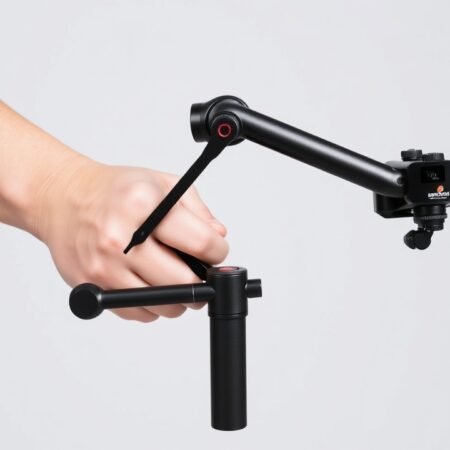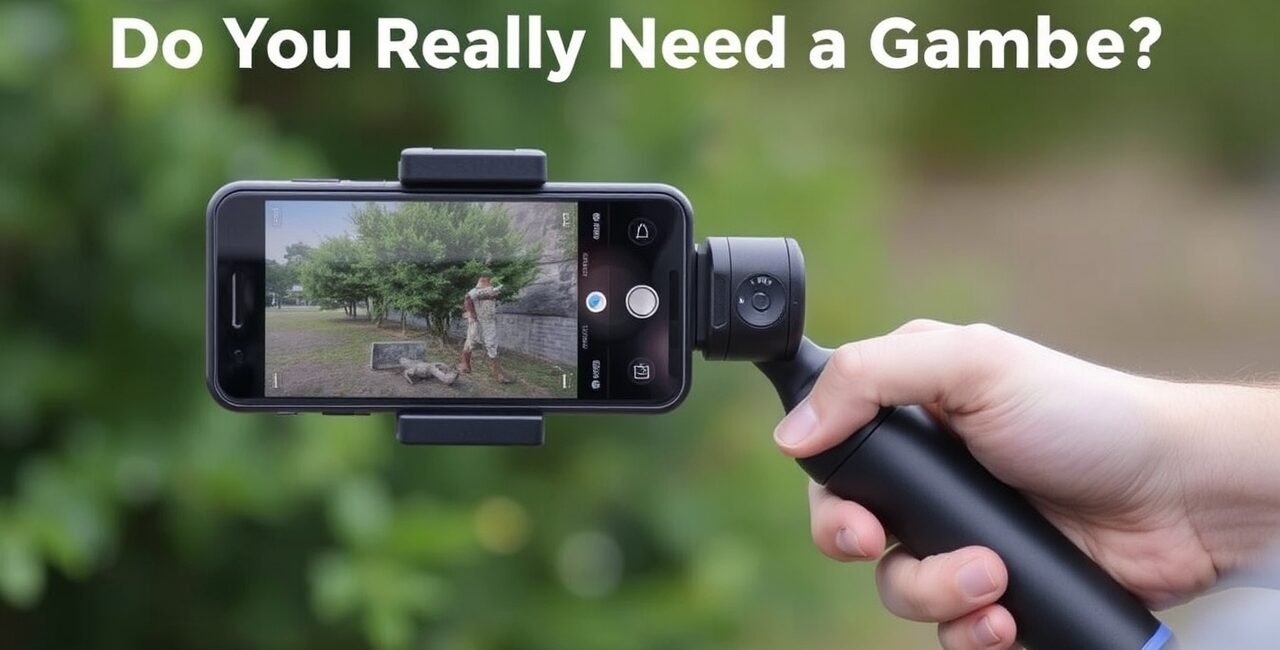

A phone gimbal is a handheld device designed to stabilize and support a smartphone while recording videos or taking photos. It consists of motors and sensors that work together to keep the phone steady and level, even when the user’s hand is moving. The gimbal uses three axes of rotation – pan, tilt, and roll – to counteract any shaking or movement, resulting in smooth and professional-looking footage.
The device is typically lightweight and portable, making it a popular choice for content creators, vloggers, and amateur filmmakers.
Key Takeaways
- A phone gimbal can significantly improve the stability and quality of your video recordings.
- Using a phone gimbal can be costly and may require additional accessories for optimal use.
- Alternatives to using a phone gimbal for stabilizing footage include handheld stabilizers and tripods.
- Using a phone gimbal can have a positive impact on the stability of footage, resulting in smoother and more professional-looking videos.
- When choosing a phone gimbal, consider factors such as weight, battery life, and compatibility with your smartphone model.
The Benefits of Using a Phone Gimbal for Video Recording
Using a phone gimbal offers several advantages for video recording. Firstly, it significantly improves the stability of the footage, eliminating the shaky and jerky movements often associated with handheld filming. This results in a more polished and professional look to the videos.
Additionally, a phone gimbal allows for smooth panning and tracking shots, adding a cinematic quality to the footage. It also enables users to capture dynamic and creative angles with ease, enhancing the overall visual appeal of the content.
The Drawbacks of Using a Phone Gimbal
While phone gimbals offer numerous benefits, there are also some drawbacks to consider. One of the main concerns is the additional bulk and weight that the gimbal adds to the filming setup, which may be inconvenient for some users, especially when shooting on the go. Furthermore, using a phone gimbal requires some level of skill and practice to operate effectively, and there may be a learning curve for beginners.
Click here Additionally, some gimbals may have limited compatibility with certain smartphone models, which could be a potential limitation for users with non-standard devices.
Comparing the Stability of Footage with and without a Phone Gimbal
To illustrate the difference in stability, one can compare footage shot with and without a phone gimbal. Without a gimbal, handheld footage often exhibits noticeable shaking and instability, particularly when walking or moving quickly. On the other hand, footage captured using a phone gimbal appears remarkably smooth and steady, even under similar conditions.
The gimbal effectively compensates for any movement or vibration, resulting in professional-grade stabilization that enhances the overall quality of the video.
How a Phone Gimbal Can Improve the Quality of Your Videos

The use of a phone gimbal can significantly enhance the quality of videos in various ways. By providing stable and smooth footage, it elevates the overall professionalism of the content, making it more engaging and visually appealing to viewers. Additionally, gimbals enable users to execute complex camera movements and shots with precision, adding a cinematic flair to their videos.
This improved visual quality can help content creators stand out in a crowded digital landscape and attract a larger audience.
The Cost and Convenience of Using a Phone Gimbal
Phone gimbals are available at various price points, ranging from budget-friendly options to high-end professional models. While costlier gimbals may offer advanced features and superior build quality, more affordable options can still provide satisfactory stabilization for casual users. In terms of convenience, phone gimbals are generally easy to set up and use, offering a hassle-free solution for achieving steady footage on the go.
Their portability makes them ideal for travel and outdoor shooting scenarios.
Alternatives to Using a Phone Gimbal for Stabilizing Footage
While phone gimbals are effective tools for stabilizing footage, there are alternative methods that can achieve similar results. These include using handheld stabilizers such as tripods or monopods, which provide stability through physical support rather than motorized mechanisms. Additionally, some smartphones feature built-in electronic stabilization technology that can help reduce shakiness in videos.
However, these alternatives may not offer the same level of smoothness and precision as a dedicated phone gimbal.
The Impact of Using a Phone Gimbal on Battery Life
Using a phone gimbal can have an impact on the battery life of the smartphone. The motors and sensors in the gimbal require power to operate, which can drain the phone’s battery more quickly during extended filming sessions. It is advisable for users to carry backup power sources such as portable chargers or spare batteries to ensure uninterrupted filming when using a phone gimbal.
Additionally, some gimbals come with built-in power banks that can charge the smartphone while in use, mitigating potential battery drain.
Tips for Choosing the Right Phone Gimbal for Your Needs
When selecting a phone gimbal, it is essential to consider factors such as compatibility with your smartphone model, weight and portability, battery life, and additional features such as joystick controls or time-lapse functionality. Researching user reviews and professional evaluations can also provide valuable insights into the performance and reliability of different gimbal models. Ultimately, choosing the right phone gimbal depends on individual preferences and specific filming requirements.
Real-Life Examples of How a Phone Gimbal Can Enhance Your Video Content
Numerous content creators and vloggers have demonstrated the transformative impact of using a phone gimbal on their video content. By incorporating smooth and stable footage into their productions, they have been able to elevate the visual quality of their videos and create more engaging and immersive experiences for their audiences. Whether capturing travel adventures, product reviews, or creative storytelling, the use of a phone gimbal has enabled these creators to showcase their content with professional polish and finesse.
In conclusion, while phone gimbals offer significant benefits in terms of stabilizing footage and enhancing video quality, they also come with certain drawbacks such as added weight and potential compatibility issues.
However, for content creators and videographers looking to elevate their productions and create visually compelling content, a phone gimbal can be an invaluable tool that provides professional-grade stabilization and creative flexibility. By carefully considering individual needs and preferences, users can make informed decisions when choosing a phone gimbal that best suits their filming requirements.
FAQs
What is a Phone Gimbal and How Does it Work?
A phone gimbal is a handheld stabilizing device that helps to keep your smartphone steady while shooting videos. It uses motors and sensors to detect and counteract any unwanted movements, resulting in smooth and stable footage.
Do You Really Need a Phone Gimbal? Exploring the Pros and Cons
The decision to use a phone gimbal depends on your specific needs and preferences. Some pros include improved stability and professional-looking footage, while cons may include the added cost and inconvenience of carrying an extra device.
The Benefits of Using a Phone Gimbal for Video Recording
Using a phone gimbal can result in significantly improved stability and professional-looking footage. It can also provide more creative freedom and versatility in your video recording.
The Drawbacks of Using a Phone Gimbal
Some drawbacks of using a phone gimbal include the added cost of purchasing the device, the need to carry and set it up, and the potential for technical issues or malfunctions.
Comparing the Stability of Footage with and without a Phone Gimbal
Footage shot with a phone gimbal is generally much more stable and smooth compared to footage shot without one. The gimbal helps to eliminate shaky movements and jerky footage.
How a Phone Gimbal Can Improve the Quality of Your Videos
A phone gimbal can improve the quality of your videos by providing smooth and stable footage, allowing for more creative shots, and enhancing the overall professional look of your content.
The Cost and Convenience of Using a Phone Gimbal
Phone gimbals can range in price, but generally, they add an extra cost to your video setup. In terms of convenience, they may require some setup and adjustment but can ultimately provide a more professional result.
Alternatives to Using a Phone Gimbal for Stabilizing Footage
Alternatives to using a phone gimbal for stabilizing footage include handheld techniques, using tripods or monopods, and relying on the built-in stabilization features of some smartphones.
The Impact of Using a Phone Gimbal on Battery Life
Using a phone gimbal can have an impact on your smartphone’s battery life, as it requires power to operate the motors and sensors. It’s important to consider this when planning for extended shooting sessions.
Tips for Choosing the Right Phone Gimbal for Your Needs
When choosing a phone gimbal, consider factors such as compatibility with your smartphone, battery life, weight and portability, additional features such as tracking or time-lapse modes, and overall build quality.
Real-Life Examples of How a Phone Gimbal Can Enhance Your Video Content
Real-life examples of how a phone gimbal can enhance video content include smooth and stable walking or running shots, dynamic panning and tracking shots, and overall improved production value in video content.